
The fastest way to save money is to move it before you can spend it, then cut the two or three bills that eat most of your paycheck.
That’s really it.
The 10 ways below are how you actually do it, and the first one takes about five minutes to set up.
How much should you save? A good rule of thumb is to have 3 to 6 months of expenses saved for an emergency. You never know when an emergency will happen, but the more prepared you are, the less stressed you’ll be when it does.
10 Ways To Save Money Fast
Here is a list of easy yet effective ways to save money every month.
1. Make Saving Automatic

Set up an automatic transfer from your checking account to your savings account, and have it run every payday. You can’t spend money that never sits in checking.
Some employers will even divide your check into different deposits. So, you can have your check deposited into savings and checking.
Where should the money go? Somewhere separate from your everyday account that pays you interest. We compared the best high-yield savings accounts if you need one.
There are also apps that save your change for you. Acorns links to your bank account, rounds your purchases up to the next dollar and invests the change. It costs $4 to $12 a month depending on the plan, so it makes more sense once you’re putting in real money.
Qapital does the same kind of thing, but the money goes into savings goals instead of investments. Plans start at $3 a month.
2. Prioritize Your Budget

The other half of automatic saving is paying yourself first. Treat savings like a bill. Decide the amount you want to save and take it out of your budget before anything else.
Make saving a priority when you budget your money. Life is all about prioritizing your time and money. There are only 24 hours in a day and only so much money in your paycheck, so you have to decide from the get go what is important now and what can wait.
That may mean giving up some things now. If you want to save a set amount every month, you may not have enough money left for cable or a new car payment.
Decide what is a need and what is a want. List out the needs first and see what is left for the wants. Saving money is a need, because emergencies and once-a-year expenses are going to come up whether you plan for them or not.
3. Cut Expenses

There are lots of ways to cut expenses every month. Start with these ways to save money on a tight budget.
Some simple yet effective ways to save this month are:
- Shop around for car and home insurance. You should be doing this every 3 to 5 years, generally speaking.
- Increase insurance deductibles (as long as you can afford to pay the deductible).
- Cancel gym memberships you don’t use.
- Cancel subscription services you don’t need (paid radio, audiobooks, auto mail order services, magazines, etc). These things may only be a few dollars a month apiece but it adds up by the end of the month and year.
- Cancel cable or lower your package. You can also potentially save money if you call to cancel. This will depend on your service provider.
- Lower data limits. You probably don’t need unlimited data, and you can save quite a bit with a lower limit. You will have to monitor your usage but it’s all about priorities. Do you want to listen to streaming music all the time or save money?
- Quit eating out. Eating out, whether it’s fast food or restaurants, is a huge expense. When I first started tracking our expenses, this was the highest category. I was spending so much at the grocery store and we were still eating out all the time. You do not have to cut it out completely but evaluate what you are spending and decide if it’s a priority for you or not.
You can find more money-saving ideas here: little ways to save money every day.
4. Meal Planning

I save $600 just by meal planning. When people sit down and go through their expenses, most of the time, they are spending more on food than any other category. This is also the easiest place to save money.
Make a meal plan for the week, 2 weeks, or the month. Plan for days you may not want to cook or don’t have time. This can include leftovers, freezer meals or batch cooking. Or there could be days you plan to eat out. As long as it fits in the budget, that is still okay.
Shop with a list and a calculator. This will help you stay on budget and avoid impulse buys.
5. Remove Temptation

It’s hard to hit a savings goal when deals keep landing in front of you. So get rid of them.
Unsubscribe from store emails. If you get a ton of emails every day with special offers and discounts, just unsubscribe. You can always join again later.
Do not go “window shopping”. If you don’t need anything, then don’t go shopping. It’s so hard to stay focused when you find a good deal on something you don’t need. You aren’t really saving 20%, you are spending 80%. And when you do need clothes, these frugal clothing tips help.
6. No-Spend Challenge

A no-spend challenge is basically saying you will not spend any money on wants for a given period of time. It is up to you what the length is, but 2 to 4 weeks is a good place to start.
It will take some planning. But it helps you reset your budget and stop impulse spending.
7. Savings Challenge

Money challenges are a great way to focus on one goal and do as much as possible to reach it in a short period of time. A savings challenge can help motivate you to save as much as possible in one month.
Set a goal for yourself and then make a list of how to get there: expenses you can cut, things you can sell, and ways to make extra money.
8. Find Free or Cheap Things To Do
A lot of people feel like saving money is too boring. It really doesn’t have to be. Look for free activities in your area. This can include going to the park, a hike, the beach, or a state park.
Check your local town’s Facebook page and see what activities they have going on. Ours has free movie nights, farmers market, festivals, and lots of other free events.
You can also find cheap things to do like an older movie theater, kids eat free nights, school festivals and fundraising events.
9. Use Cash
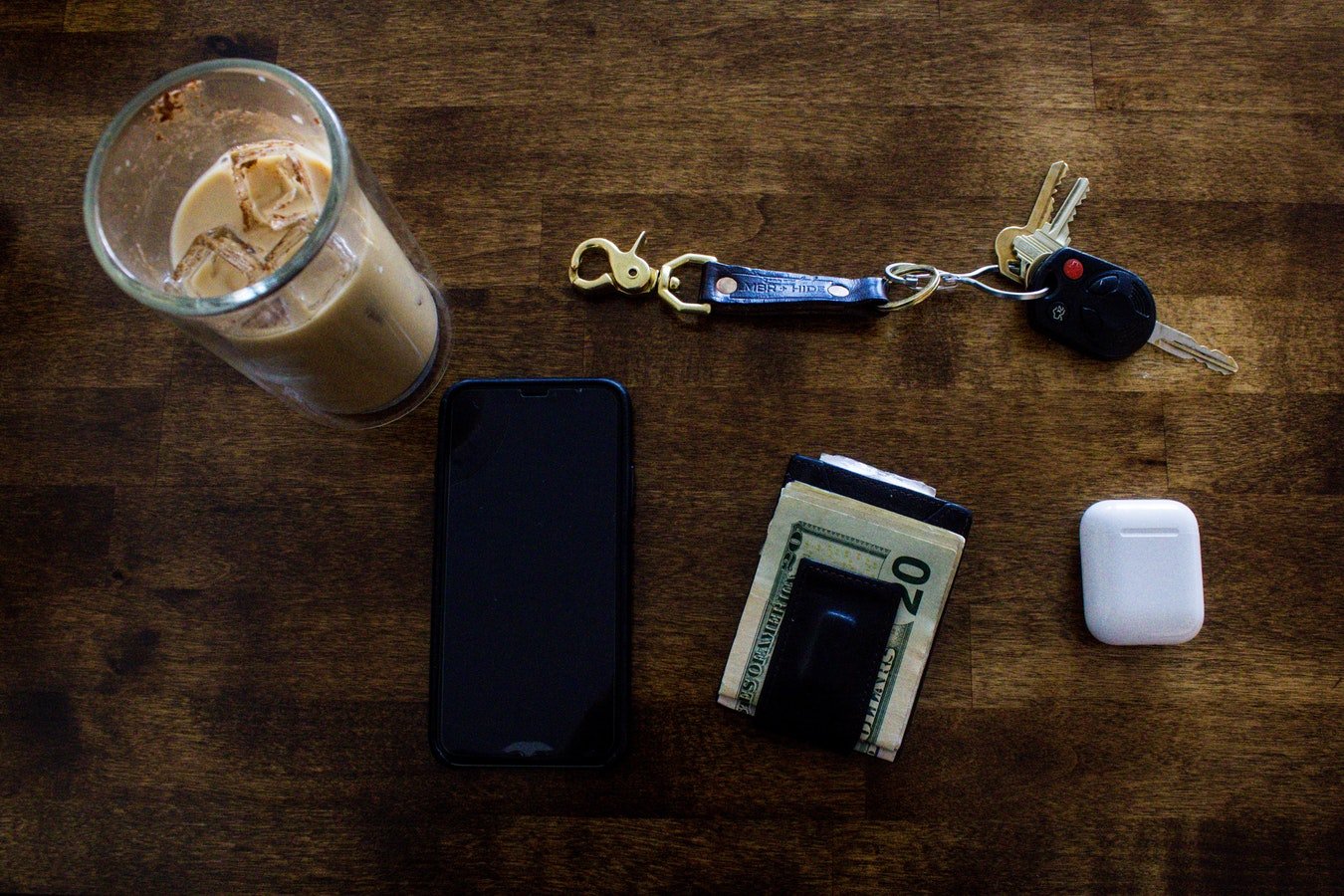
Paying with cash makes you spend less. You do not have to use cash for everything, but you care more about a purchase when you have to hand over your hard earned cash.
Think about what you may say to yourself to justify a purchase when using cash versus a credit card. I have heard people say, “If I use the credit card, I’ll buy the $2000 stove but if I have to use cash, I’ll get the $400 one.” When using a card, it’s easier to say “it will only cost me $x a month” “Or I’ll pay for it later”.
When using cash, only take the cash you want to spend. So, when grocery shopping, only take your grocery budget. Then use the list and calculator.
10. Money Saving Apps

There is an app for everything nowadays, and a few of them really do save you money. We compared 10 apps that help you save money if you want the short list.
Some apps and extensions that can save you money on purchases:
- RetailMeNot is a free app for finding promo codes at major retail stores, and it pays cash back on qualifying purchases too.
- Honey is a free browser extension, now part of PayPal, that tests coupon codes for you at checkout so you don’t have to look all over the internet for them.
- Target Circle is Target’s free membership program, and it gets you extra discounts.
Cash back apps:
- ReferralWallet shows you sign-up bonuses that are live right now, and you claim them directly from the company.
- Swagbucks is a free rewards app where you earn points for taking surveys and playing games, then trade them for gift cards.
- Rakuten pays you cash back on online purchases, and so do these apps like Rakuten.
- Ibotta lets you earn cash back at your favorite stores.
Bottom Line
Saving money should be a priority if you have little savings. Even a small $1,000 emergency fund can help you avoid debt and stress less when an emergency comes up. A 3 to 6 month emergency fund will help you manage a job loss, an injury or a family crisis without worrying about money while you get through it.
Keep that money somewhere you can get to it quickly until you reach 6 months of expenses. Then you can move toward investments and long-term savings. If you move it all to an investment account, you could lose some of it, and it can take several days to get the funds.
Make saving a priority for now and accept a few small sacrifices, so you can be thankful later. You’ll find more money-saving guides here.


